Date
Author
Celo Core Co.
Recaps & Milestones
Recapping Celo Connect — A Celebration of the Ingenuity, Strength, and Growth of the Celo Community

Reading time
7 minutes
Share
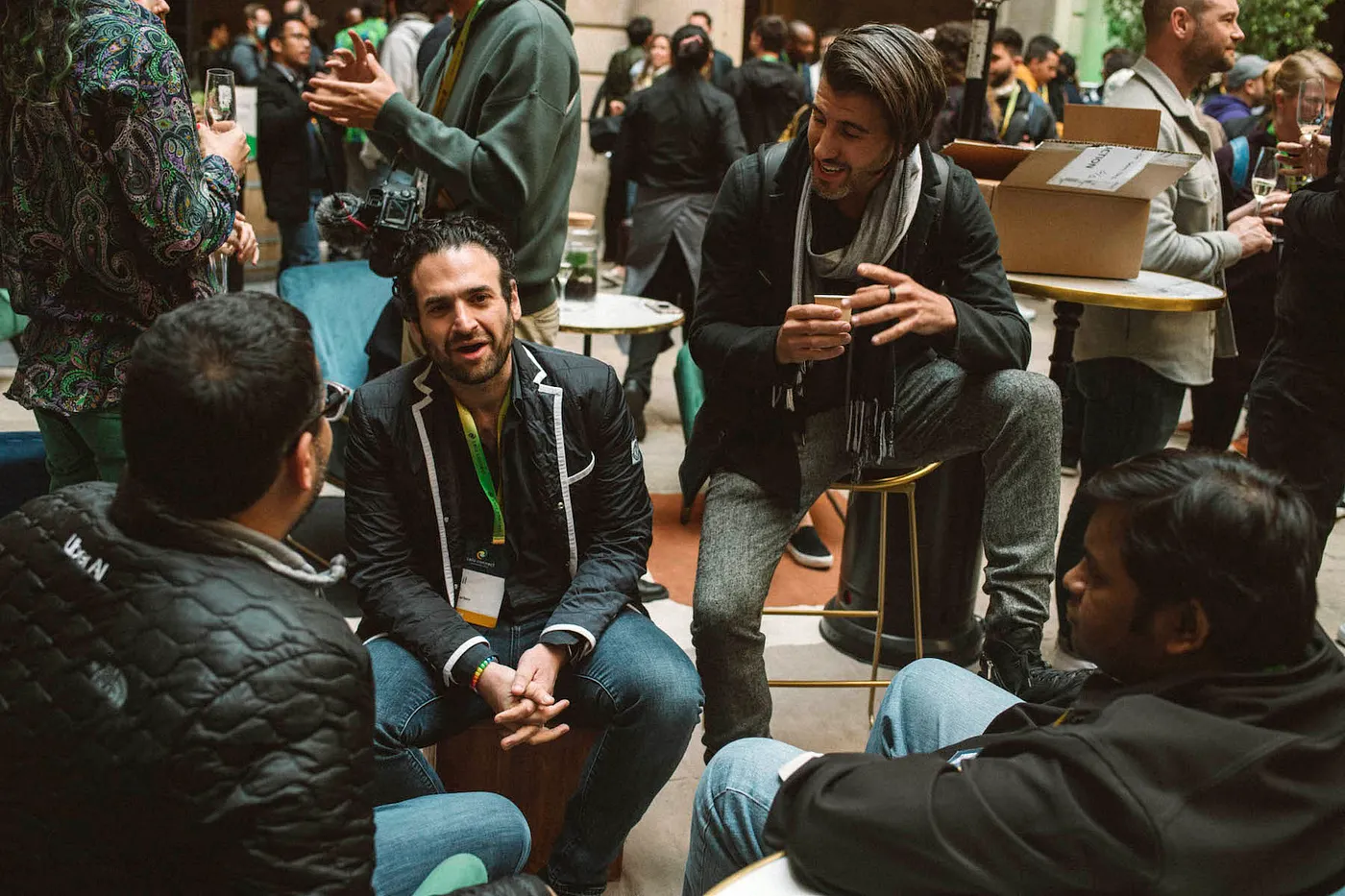
Last week, the Celo community gathered in Barcelona, Spain, at the historic La Llotja de Mar for our first Celo Connect global conference. This event was over two years in the making, and the incredible turnout is a testament to the shared belief in the power of Web3 technology to transform financial services, communities, and the planet.
Over 800 community members attended from Europe, Africa, Asia, the United States, and Latin America to celebrate Celo and meet and mingle with one another and crypto’s most respected and sought-after builders, founders, industry leaders, and investors. Eighty-seven percent of attendees surveyed after the event rated Celo Connect a 9+ on a scale of 1–10.
The two-day event featured nearly 100 sessions, over 150 speakers, and included panel discussions, fireside chats, workshops, an immersive NFT experience that won’t soon be forgotten, and much, much more.

NFTs With Purpose
The Celo Foundation’s Kimberly Dara and Mashiat Mutmainnah developed the strategic vision to build the Celo NFT ecosystem. They created the NFT Experience Hall at Celo Connect to host three experiences focused on creator prosperity, climate, and community. Together, with Keyko Labs and the artist collective Phatazonia, they built a zero-waste immersive exhibition called Natural Synthesis. Attendees were transported to another world as they navigated natural materials from the forests of Barcelona and immersive projections of our world. Keyko Labs also organized an amazing gallery of artworks minted on Alities marketplace featuring 20+ Latin artists and an augmented reality/virtual reality experience.
NFT builders from Deutsche Telekom, African Digital Art, Tatum, Mintdropz, CeloPunks, and other organizations presented at the NFT Creators Lounge and facilitated engaging conversations with the community. The NFT team, with cLabs, Valora, Climate Collective, and Fly Wallet, also deployed a mass POAP pilot for all conference-goers. Attendees minted Celo-native POAP NFTs by scanning QR codes with their smartphones, and got access to fun swag and more.

Finally, Mashiat moderated the NFTs with Purpose panel with Sophia Li from Steward, Andre Vanyi-Robin from Plastiks, Janice Taylor from EQ Exchange, and Dana Gibber from Flow Carbon. Sophia Li and Dana Gibber spoke about how to incentivize individuals to take action against climate change. Andre offered new solutions for climate regeneration via plastic offsetting, and Janice offered candid insights of the music industry. Earlier in the month, Plastiks joined the Climate Collective to bring a new type of regenerative tokenized asset — Plastic Recycling Guarantees — to Celo via a bridge.
Announcements
Several major announcements were made at the conference, including:
Toucan, an infrastructure provider and Climate Collective partner, announced plans to deploy on Celo.
The Celo Foundation launched Connect the World, a $20M campaign to incentivize the development of high-quality Celo on-and off-ramps around the globe, and introduced FiatConnect, an open API standard.
PrimeDAO partnered with the Celo community to accelerate DAOs building at the nexus of Web3 technology and climate reform. PrimeDAO will onboard new DAOs to Celo and provide project support.
Celo co-founder Marek Olszewski announced the arrival of Plumo Protocol, the Celo ultralight client protocol that’s 1.7 million times lighter than Ethereum.
Wormhole, an interoperability protocol, and LayerZero, an omnichain interoperability protocol, both announced integrations with Celo.
CELO can now be managed in Ledger Live — here’s how.
If you weren’t able to attend Celo Connect in person, sit back and dig into this amazing round-up of highlights to get inspired and to feel the impact this event had on guests and speakers alike.
Day-One Topics: Regenerative Finance, Stablecoins, Community Currencies, and More
Opening Keynote: A Vision of Prosperity for Everyone
Sep Kamvar, Rene Reinsberg, and Marek Olszewski, Co-founders of Celo
Sep took the stage first to discuss the three intrinsic sources of wealth that the current financial system doesn’t recognize — namely, the unique talent of people, the strength of communities, and the health and biodiversity of global ecosystems — and proposed an economic solution for each of these areas. He went on to explain how Celo can lead to a more financially inclusive world through universal basic income, nature-backed currencies, and the creation of new money without new debt. Celo’s original mission was to create the technical primitives that would one day enable these features, and as Sep articulated, this remains the vision today.
Next, Marek spoke about why the Celo platform is the best technical solution to bring the community together and execute its ambitious mission. He noted that the Celo platform has over 12 million blocks and processed more than 110 million transactions, and that in the last two years, there’s been zero downtime in the face of multiple upgrades and extreme transaction loads. This is a huge accomplishment and testament to Celo’s core engineering. He then shared the three qualities that make a great platform: decentralization, a simple user interface, and scalability. Marek also provided a high-level overview of the work taking place — in particular, the arrival of Celo’s ultralight client protocol, Plumo — to one day achieve all three.
In closing, Rene shared that there have been 52 governance proposals to help improve and shape the platform since Celo’s launch. Additionally, over 100 projects in the ecosystem have been funded in the last year alone — a testament to the growth of the community. Most notably, the protocol has offset over 3,000 tons of carbon through block rewards. There are also 83,000 tons of carbon offsets tokenized in the Celo Reserve, a step in the direction of nature-backed currencies. Finally, Rene celebrated the contributions of the broader Celo community that enable real-world adoption of cryptocurrencies and stablecoins.

Watch: Opening Keynote: A Vision of Prosperity for Everyone
Connect the World: On-ramps and Access
Will Le, Celo Foundation; Silas Boyd-Wickizer, Valora
Will Le leads the team focused on strategy, research, and innovation at the Celo Foundation. In this session, Will introduced Connect the World and Fiat Connect, a pair of initiatives to solve one of the most significant pain points in the Celo ecosystem: on-and-off ramps. The average user faces several barriers that make acquiring or converting Celo assets — particularly Celo stablecoins — difficult or expensive. More on-and-off ramps around the globe would help users overcome those hurdles.
Currently, Celo on-and-off ramps exist in 23 countries, but Will and his team are working to increase that number. Through the Connect the World initiative, the Celo Foundation is committing up to $20 million in incentives to wallet developers and payment providers to spur the development of high-quality on-and-off ramps in 100 countries within the next year. At the same time, Fiat Connect, an open source API specification for payment providers, will make integrations more scalable and easier than ever. More on-and-off ramps around the globe will make it easier for anyone to access Celo assets in low-cost, fast, and reliable ways, enabling people to send money across borders knowing that recipients can immediately use the funds. In the case of blockchain-based NGOs, additional ramps mean the ability to more efficiently and quickly distribute aid.
Solving for on-and-off ramps brings the Celo Foundation one step closer to achieving its goal of financial prosperity for all. The campaign begins with an offer of $50K to the first payment provider in each country to integrate FiatConnect and demonstrate an on-and-off ramp that meets the quality bar. The Foundation will also subsidize on-ramp fees of up to $100K for all providers, making it more affordable for users to access Celo assets.

Watch: Connect the World — Onramps and Access
ReFi In Action
John Ellison, Toucan, ReFi DAO; Phil Fogel, FlowCarbon; John X, Toucan, Astral Protocol; Nirvaan Ranganathan, Climate Collective; Birju Shah, Loam; moderated by Craig Wilson, Climate Collective
This panel discussion brought together some of the biggest projects working at the intersection of regenerative finance and Web3. Moderated by Craig Wilson, head of the Climate Collective, the discussion focused on why ReFi is important for Web3, some of the concrete projects in the works, and how the industry will evolve in the next 5–10 years.
As Phil Fogel of FlowCarbon explained, carbon credits and agriculture credits are some of the best use cases for Web3 and blockchain technology because the blockchain offers a deeper level of transparency into where the credits come from, where they’re going, and who is using them. Additionally, the panelists shared best practices for granting awards and incentives to communities tackling climate change. Finally, the panel discussed ways to overcome one of the most pressing roadblocks — getting high quality, verifiable carbon assets that both individuals and corporations can purchase — and shared opportunities to get more people rallied around using Web3 technology to solve climate crisis problems.

What’s Next in Community Currencies
Ashley Brooke Taylor, ReSource FInance; Fennie Wang, Humanity Cash; moderated by Amos Mieri, Node Capital
Community currencies aren’t new, but they’re in the spotlight thanks to the attention cryptocurrencies now receive. In this session, Fennie Wang of Humanity Cash, a platform that enables communities to design their own currencies, speaks with Ashley Brooke, co-founder of ReSource, a Web3 banking alternative for communities, about the different models of community currencies, where they’re going, and what’s new.
Currencies designed through Humanity Cash are backed by U.S. dollar reserves in local banks and used only in local payment networks. The small businesses and organizations in those networks can then cash out the community currency for USD. Humanity Cash also issues Universal Basic Income (UBI) bonds.
ReSource Finance is based upon a system called mutual credit, which doesn’t require fiat currency to get started. Instead, everyone starts at zero in the mutual credit currency. When people begin to offer their skills and services to each other, the currency is generated. Among the topics discussed by Wang and Taylor were the benefits of building community currencies on the blockchain — Celo in particular, some of the small businesses that are already adopting community currencies, and the best use cases for blockchain-based community currencies to become mainstream.

Watch: What’s Next in Community Currencies
Celo: Mission-Aligned Blockchain
Alberto Martin, cLabs
Alberto Martin, head of product management and design team leader at cLabs, spoke about cLabs’ role in the Celo ecosystem, how the team allocates engineering resources across the Celo blockchain, to payments and DeFi projects and even to promising experimental projects he called “long-term bets.”
Alberto discussed the Celo blockchain’s second hardfork, Espresso, which makes the network fully compatible with the latest upgrades to the Ethereum network. The changes made to the protocol as a result of Espresso are great for dapp developers looking to migrate or deploy their contracts to Celo. Alberto also talked about Plumo, the Celo network’s ultralight client protocol. And on the payments front, where the engineering team dedicates about 20% of its time, he discussed recent technical releases that make it even easier for users to manage, save, and spend their Celo assets.

Watch: Celo Mission-Aligned Blockchain
Find all of the videos from day one of Celo Connect, including the day-one recap video, on the Celo YouTube channel.
Day-Two Topics: A Kickstarter Catch-up, What’s Next in Web3, Community Currencies, and More
Catching up with Kickstarter
Camille Canon, GovLab; Carl Chen, Kickstarter; moderated by Amit Chu, Celo Foundation
Unable to attend the conference in person, Kickstarter’s Carl Chen and Camille Canon spoke with the Celo Foundation’s Amit Chu virtually about Kickstarter’s decision to build on Celo and become interoperable, what it means for the ecosystem, and how people in the community can get involved.
Carl explained how Celo’s decentralized protocol could increase the impact of Kickstarter’s mission to bring creative projects to life by removing gatekeepers and, in turn, giving creators the opportunity to work directly with their supporters. Camille shared her thoughts about mission preservation and Kickstarter’s values within the context of building on Celo. Corporate governance, she noted, becomes even more challenging in the context of a decentralized ecosystem. How do you create a system where people can make decisions that support self-interest and that balance the overarching mission and objectives of the protocol and its greater public purpose? This is a core consideration for Kickstarter, which is why she believes strongly in GovLab, an initiative she now leads to help people make better decisions and solve public problems.
Rounding out the discussion, Carl and Camille reiterated their excitement to build on Celo and align with the Celo community to leverage technology to drive inclusivity.

Watch: Catching up with Kickstarter
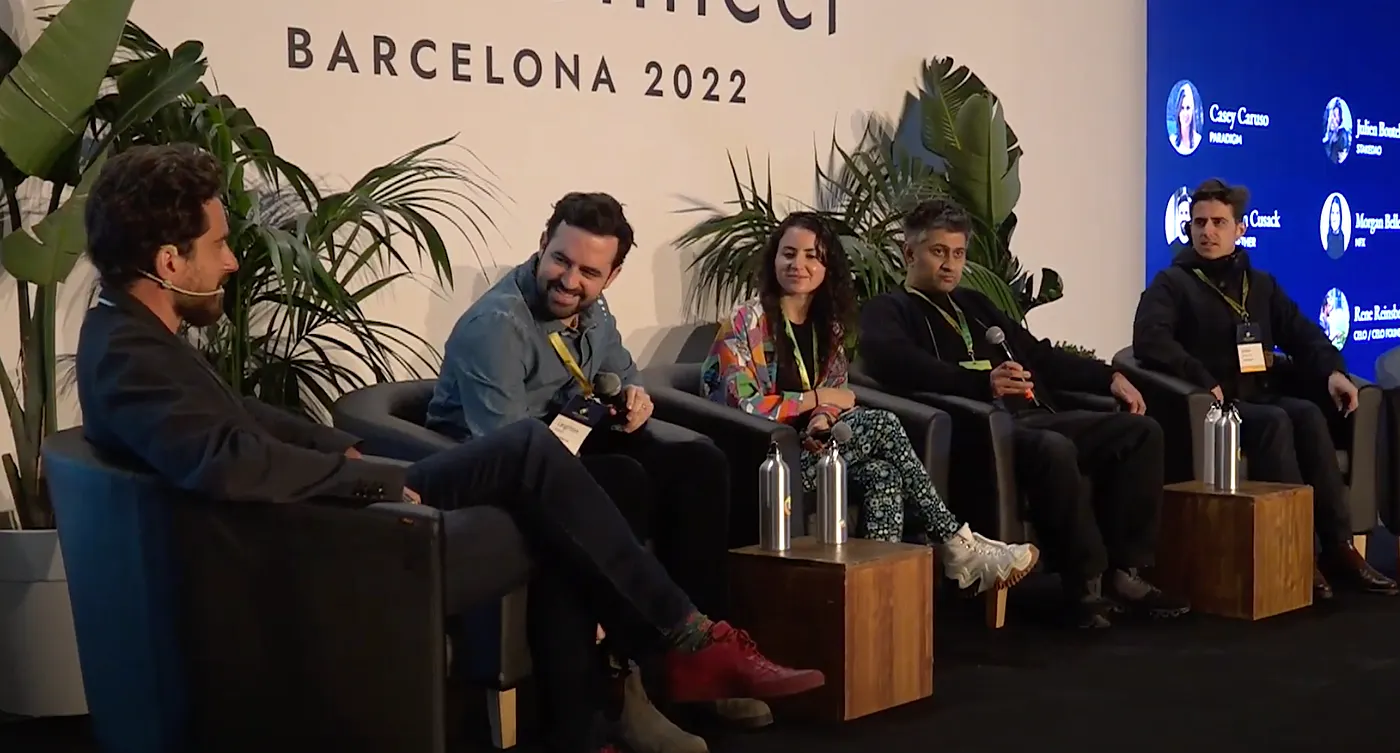
What’s Next In Web 3
Morgan Beller, NFX; Zaki Manian, Sommelier Protocol, Iqlusion; Julien Bouteloup, StakeDAO; Leighton Cusack, PoolTogether; moderated by Rene Reinsberg, Celo Foundation
This panel, moderated by Celo co-founder Rene Reinsberg, offered a blend of perspectives from founders, builders, and investors working on Web3. The panelists shared their favorite dapps (Morgan Beller of NFX gave a shout-out to impactMarket) and top advice for developers building on Celo.
As Leighton Cusack of PoolTogether sees it, builders have an opportunity to create tools that tap into a broader Web3 trend — one around collaborative ownership and investing, where people are forming groups to purchase NFTs. As for what the future of Web3 holds, Morgan shared her excitement for a multichain world, and Zaki Manian of Sommelier Protocol and Iqlusion spoke about Celo’s advantage of serving a distinct community of mission-aligned users and partners.
Activating Local Communities of Commerce
Michael Keating, Founder in Residence, Celo; Gabriela Chang, EthicHub; Charles Nichols, Nuzo; moderated by James Downer, Celo Foundation
In this session, the panelists discussed how communities shouldn’t just participate in marketplaces — they should benefit from them too.
Michael Keating, Founder in Residence at Celo, used the Uber marketplace as an example. Uber, he noted, creates lots of opportunities for its drivers and those in support roles, such as scooter technicians. However, Charles Nichols, founder of Nuzo, pointed out that Uber’s power structure is centralized. In the past, drivers had to protest to force change when they believed the company was ignoring their grievances.
Michael discussed his vision for a decentralized, blockchain-based marketplace that gives token holders a say in governance and an ownership share, as well as opportunities to earn. This type of marketplace would be more equitable than the traditional form, as it would allow participants to keep a greater portion of the value they create.
To Gabriela Chang, co-founder of the DeFi protocol EthicHub, blockchain represents community. ‘The whole is more powerful than the individual parts’ is a principle EthicHub applies to supporting smallholder farmers in Latin America who struggle to secure loans.

Watch: Activating Local Communities of Commerce
Financial Inclusion for Social Impact
Kenneth Kou, Mercy Corps; Elisa Molena, World Food Programme; Christine Violago, Grameen; moderated by Will Le, Celo Foundation
Celo’s mission is to create prosperity for all, and the panelists in this session shared how the organizations they represent harness stablecoins and blockchain technology to put this mission into action.
Kenneth Kou outlined four pilots run by Mercy Corps Ventures, the impact investing arm of Mercy Corps, over the last eighteen months: in Kenya, cross-border payments for digital workers using Celo dollars (cUSD), and a smart contract weather insurance for farmers; in Rwanda, DeFi savings incentives for informal merchants; and in Colombia, a hedge against hyperinflation for Venezuelan migrants. Mercy Corps has two more DeFi pilots in the pipeline, a lending product in Kenya in partnership with Moola Market, and a savings product fractionalizing government bonds in Cameroon.
Christine Violago explained how the Grameen Foundation partnered with Celo and the Alliance for Prosperity during the early days of the pandemic to deliver relief funds in the form of cUSD to 3,500 female micro-entrepreneurs in Metro Manila and Cebu. The recipients spent their cUSD on groceries, hygiene kits, and medication.
Elisa Molena introduced a project called Empact, run by the World Food Programme, which bridges the gap between vulnerable populations and recruiters searching for talent. By speaking with companies and freelance platforms like Upwork, Elisa and her colleagues identify the needs of the global labor market and then design tailored training programs to meet those needs. However, a lot of the participants are underbanked or unbanked, which is a challenge the project overcomes by paying salaries in stablecoins.

Watch: Financial Inclusion for Social Impact
Why Web3 Matters
Chris Dixon, a16z; Packy McCormick, Not Boring; Sep Kamvar, Co-founder of Celo
If the first iteration of the Web allowed people to publish and own content, and Web2 provided free access to valuable services such as social networks (even though a handful of companies ended up in control), then Web3 promises to combine the best of both worlds, Chris Dixon, a partner at venture capitalist Andreessen Horowitz, told the audience.
Chris explained how social networks derived power from network effect, where the value of a product or service increases with the number of users. Web1 relied on open protocols which weren’t owned by a single company. That’s just as well, noted Celo co-founder Sep Kamvar, because if some of these protocols were privately owned, the companies would be bigger than Google or Facebook. So, while moving to a new email provider on Web1 was as simple as switching a Domain Name Server (DNS) record, users can’t bring a large following built on a Web2 application like Twitter to a different platform. The decentralized nature of Web3, however, means network effects accrue to the community.
Packy McCormack, author of the popular Not Boring newsletter, explained how Web3 disrupts the value chain, channeling value to both the creators and users of a network. He also suggested it could help solve some of the world’s most serious problems. ReFi, for example, which was the hot topic of the conference, aims to align incentives among communities of people committed to reversing the effects of climate change.

Web3 Community Building Fireside Chat
Anna Kryukova, Celo Foundation; Evan Kereiakes, Ubeswap; Chaim Gross, Nomspace; moderated by Josh Crites, Celo Foundation
This session summed up what Celo Connect was all about.
Sushiswap’s arrival on Celo provided the catalyst for Ubeswap to focus on its community, explained Ube’s Business Lead Evan Kereiakes. Concerned the company could cease to exist in a matter of months, Ubeswap decided to double down on the Celo community. That involved adding features, running governance voting, and becoming the first protocol to list new Celo tokens, relying on Celo Camp, Celo’s virtual blockchain accelerator, as a pipeline. This strategy worked.
Chaim Gross of Nomspace pointed out that responsibility for community-building doesn’t just rest with marketing and customer service teams. Engineers need to listen to and even collaborate with users in order to develop the features they want and need. In that respect, it’s a two-way street.
The Celo Foundation’s Anna Kryukova distinguished between the concept of community in Web2, defined by free access to services like social networks, and Web3. Whereas Web2 had an audience that companies ultimately wanted to convert into users, Web3 has stakeholders in an ecosystem.

Watch: Web3 Community Building Fireside Chat
Closing Keynote: Future of Celo — Looking Ahead
Rene Reinsberg, Co-founder of Celo
As he brought Celo Connect to a close, Rene told a story about his youth in East Germany in the late 1980s. A friend of his father gave him a West German deutsche mark. Rene treasured the coin, even though he had limited spending opportunities. The only store in East Berlin that accepted Western marks was Intershop, which sold western goods to foreigners. The communist government eventually allowed East Germans to shop there too.
Fast forward to 2013 when Rene was given another coin, this time a digital one, by Brian Armstrong, founder of Coinbase. Very few people knew about crypto back then, so Brian generated awareness by giving away bitcoin.
Both currencies, Rene said, represented a ticket to a better world. The Western mark gave East Germans access to western goods, which contributed to the fall of the Berlin Wall, while bitcoin introduced a new financial system that aimed to change the nature of transactions.
Celo Connect, Rene explained, is a demonstration of how the Celo community works together to create a more accessible and inclusive global financial system and build a better world, especially through ReFi. He noted that the news that excited him most was an announcement made the day before by Toucan Protocol, an infrastructure provider bridging the carbon market with Web3, to deploy on Celo.
Rene concluded with a word of thanks and simple call to action: keep building and spreading the word.

Watch: Closing Keynote: Future of Celo — Looking Ahead
Find all of the day-two Celo Connect videos on the Celo YouTube channel, or, if you’re short on time, review the complete day-two recap thread on Twitter.
Help Us Share the Celo Mission
Celo Connect gave the community a chance to tell the world about the amazing projects being built on Celo and to honor all of the work taking place to grow the Celo ecosystem. By sharing the Celo mission and vision in Barcelona and beyond, we are one step closer to realizing a future where people everywhere can prosper through financial inclusion, a healthy environment, and connectivity through the development and growth of innovative technologies.
f you’re passionate about bringing the benefits of Web3 technology to people everywhere, join us. Explore the community-driven Celo Talent Collective, a new hub for talent in the Web3 space to connect with our mission-driven, values-aligned ecosystem partners.
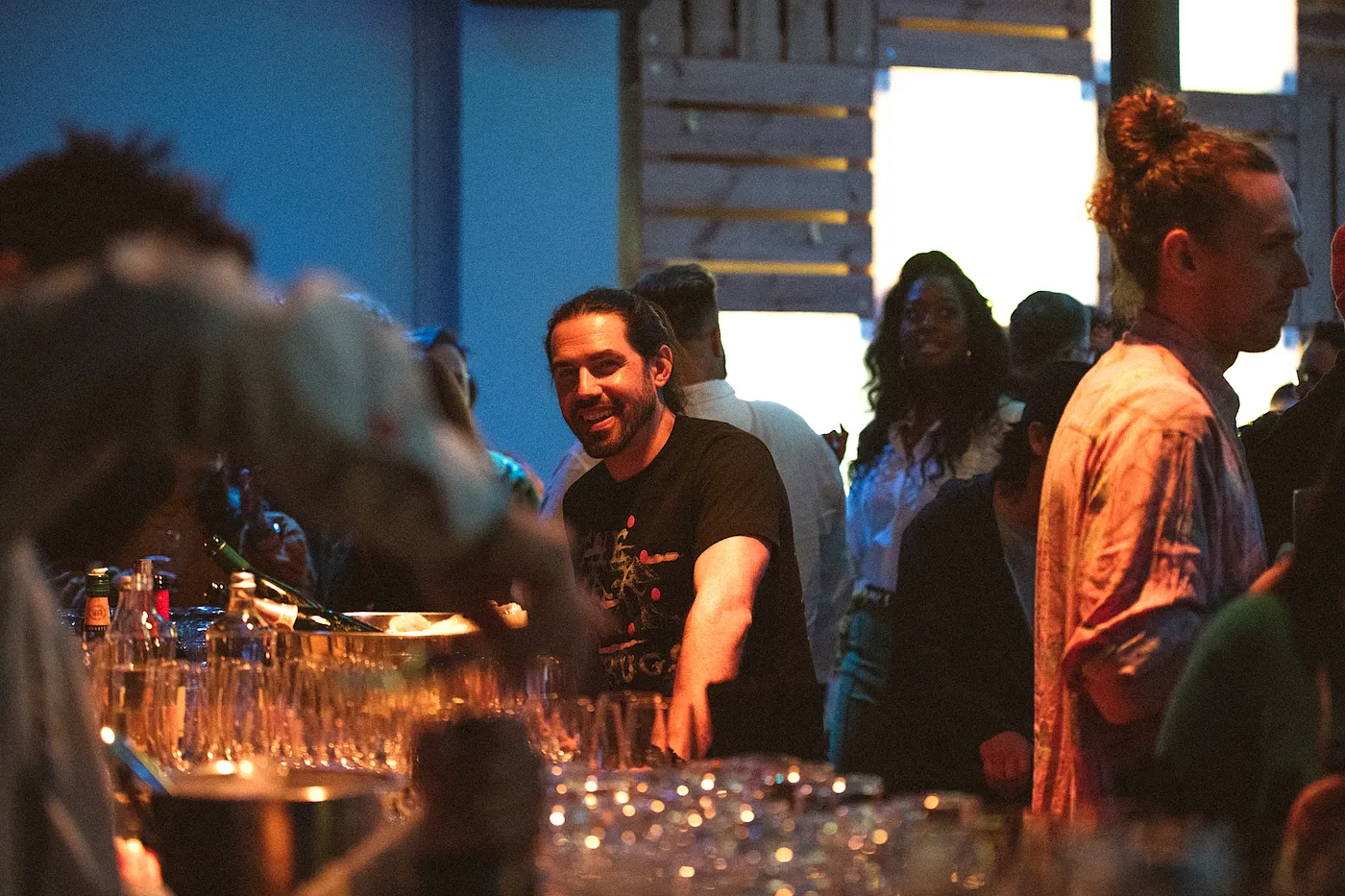
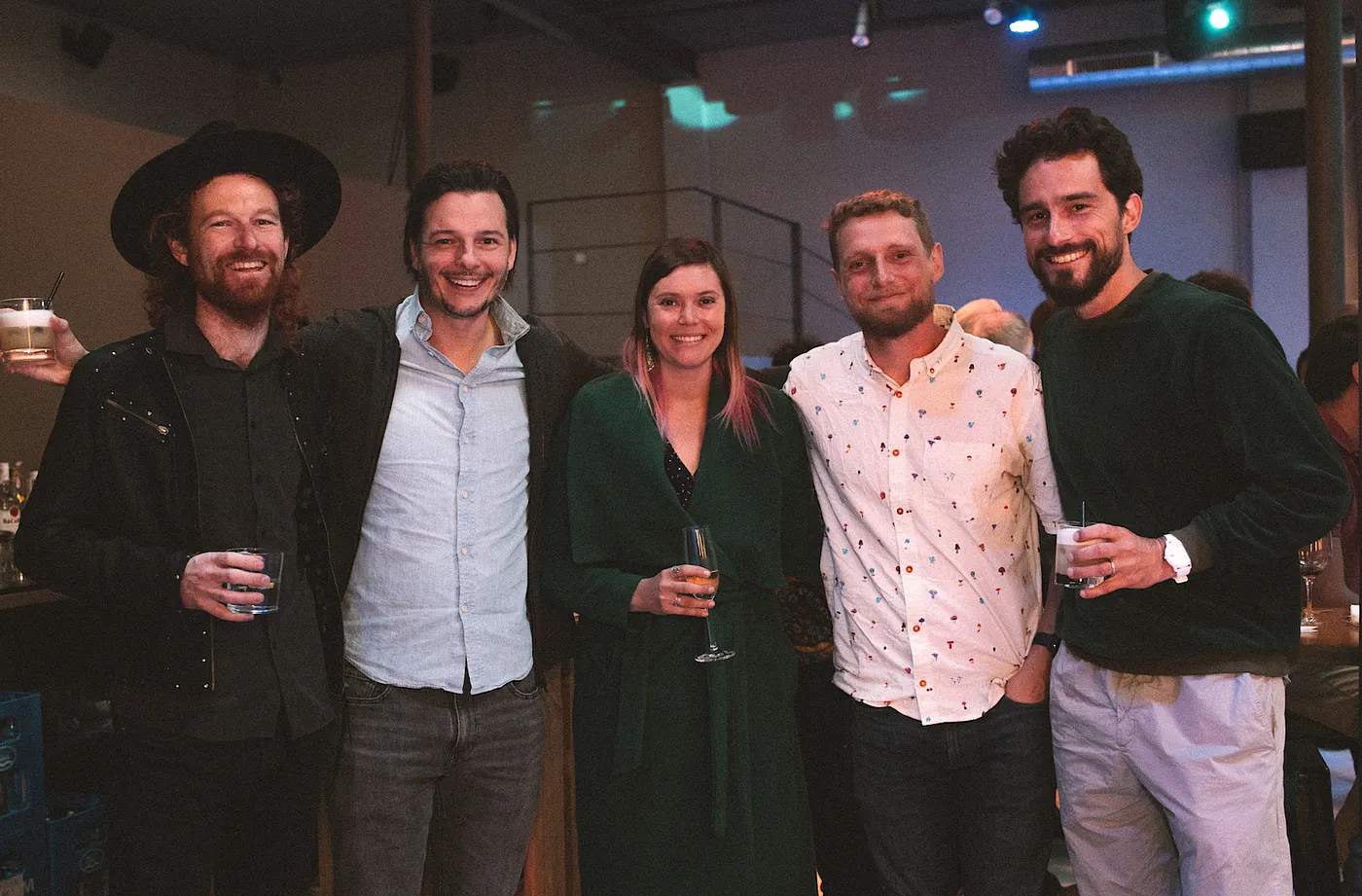
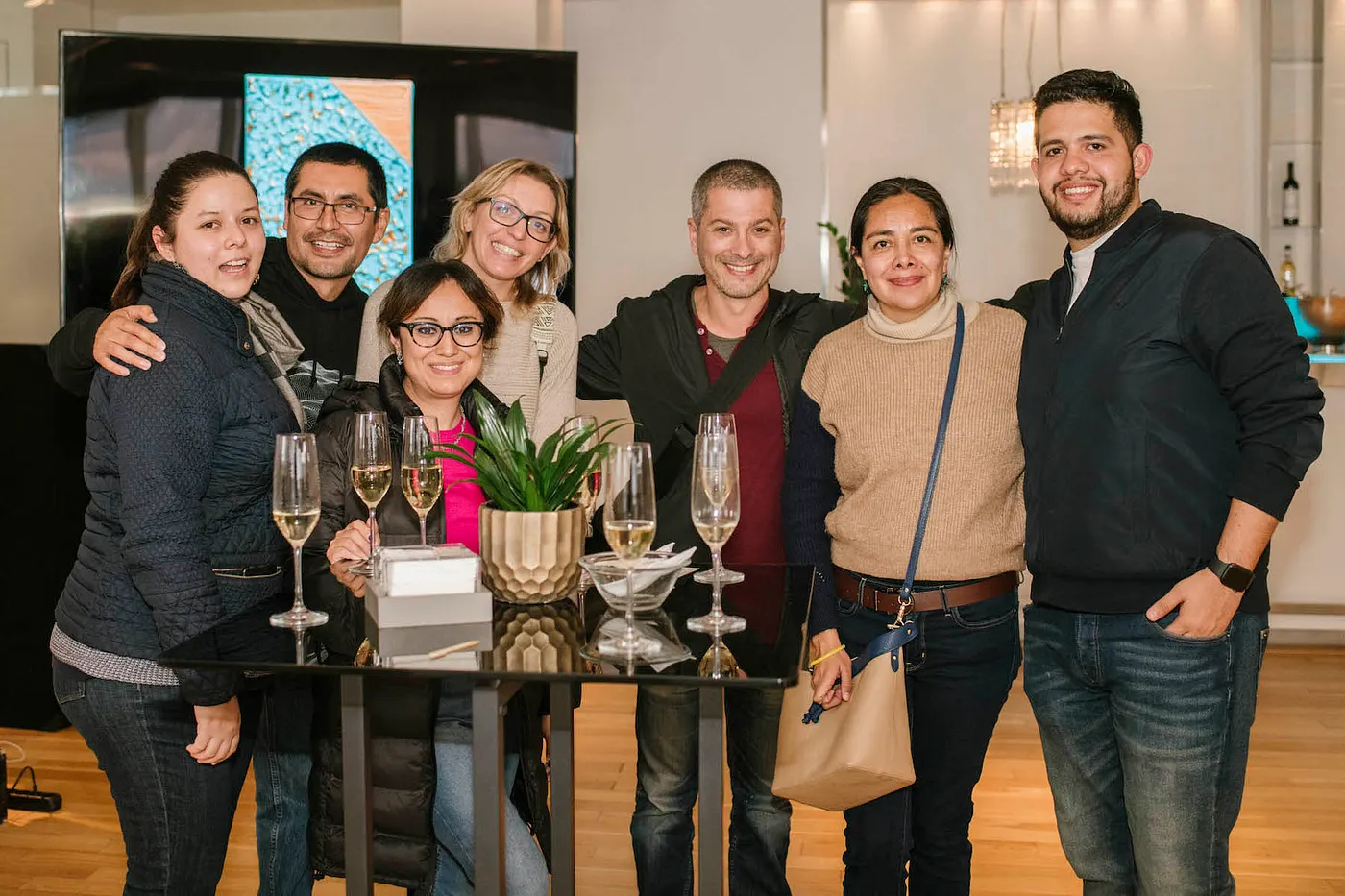
The Celo Connect photos below are credited to Luis Alejandro Cuéllar. A link to the complete photo gallery will be posted on our Twitter page within the next week.







Events
Milestones and Recaps
Latest


